
Build one project ad
A patio photo stops the scroll when people can tell what changed. Show a yard before the install, one detail from the work, and the finish from the same spot. A raised door threshold or pooling water gives the viewer a reason to care. Use pictures you can share, and label a mock example as a mockup.
| Part | Patio ad example |
|---|---|
| First frame | The old patio with the step and low spot visible. |
| Job detail | Grading or drain placement before the pavers go down. |
| Finished project | Same angle, with the patio, steps and edge visible. |
| Caption | The project type, where the crew works and what the homeowner can ask for. |
| Next step | See whether the crew can quote a patio like yours. |
Patio ad draft
Thinking about replacing your patio in [town]? This yard needed [one practical detail], so we built [what changed]. If your pavers have settled or you want a bigger space, tell us what you're planning and when you'd like to start. We'll let you know if a site visit makes sense.
Three real landscaping ads and what to borrow
These three U.S. examples come from Meta's Ad Library. Each ran for at least 60 days. The price and financing shown belong to the advertisers. Here's what you can learn from the way each ad frames the work.
A fixed-price yard package in Arizona
This carousel began August 7, 2026 and Meta still listed it on November 24. The card shown puts a $7,000 price next to a finished yard and itemizes the turf, pavers, gravel and plants. The button says Learn More.
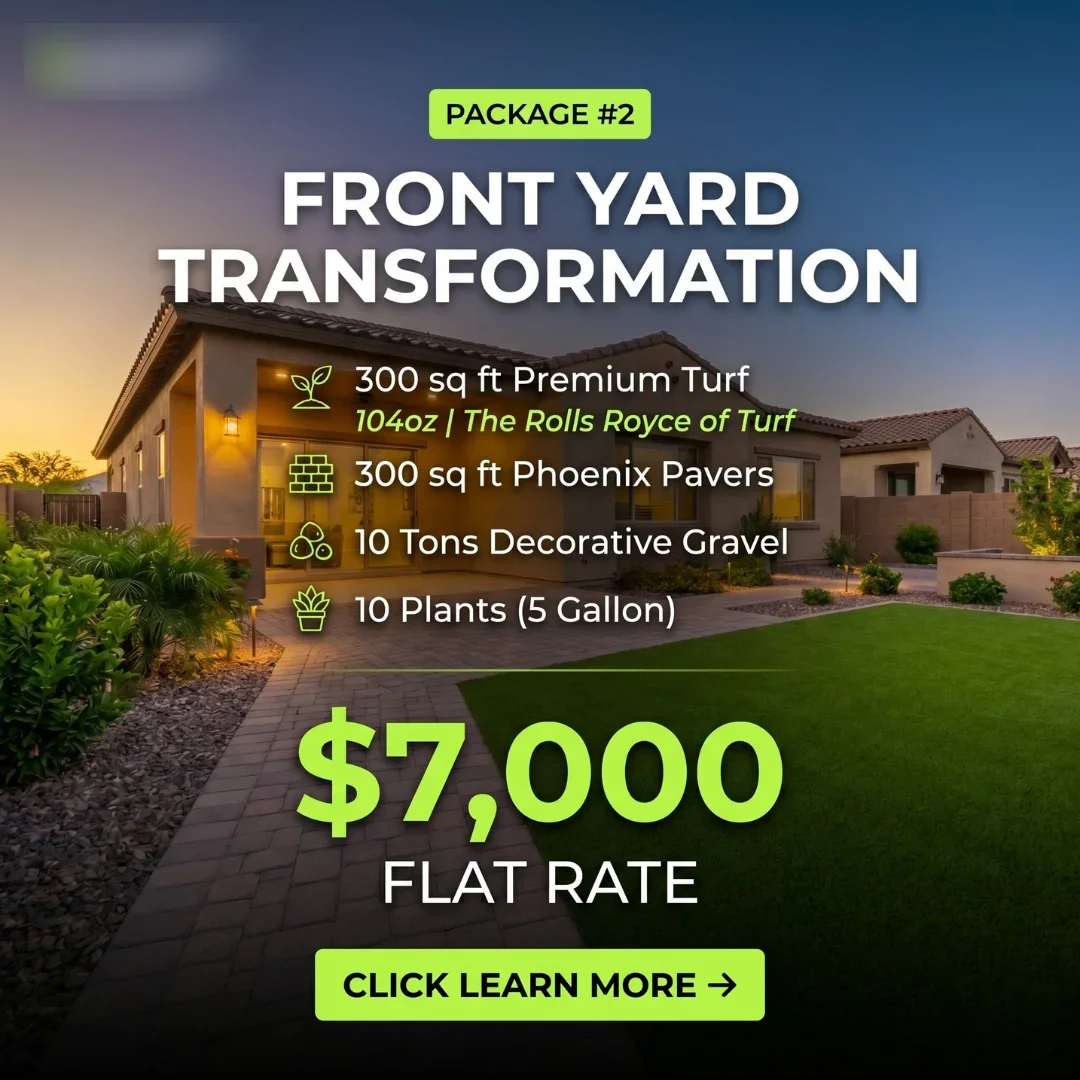
Ad excerpt from the archive
No quotes. No surprises.
What's good. You can see what's included and whether the project fits your budget before clicking. What I'd copy. I'd put the price beside a short list of what it covers. What I'd change. I'd state which yard sizes and site conditions qualify. I'd also make the ad and estimate page agree on whether the package is for a front or back yard.
Landscaping and irrigation with an HOA concern
The archive records a December 8, 2025 start and more than 10 months of activity. The ad addressed homeowners in The Villages, Florida and included a Get Quote button.
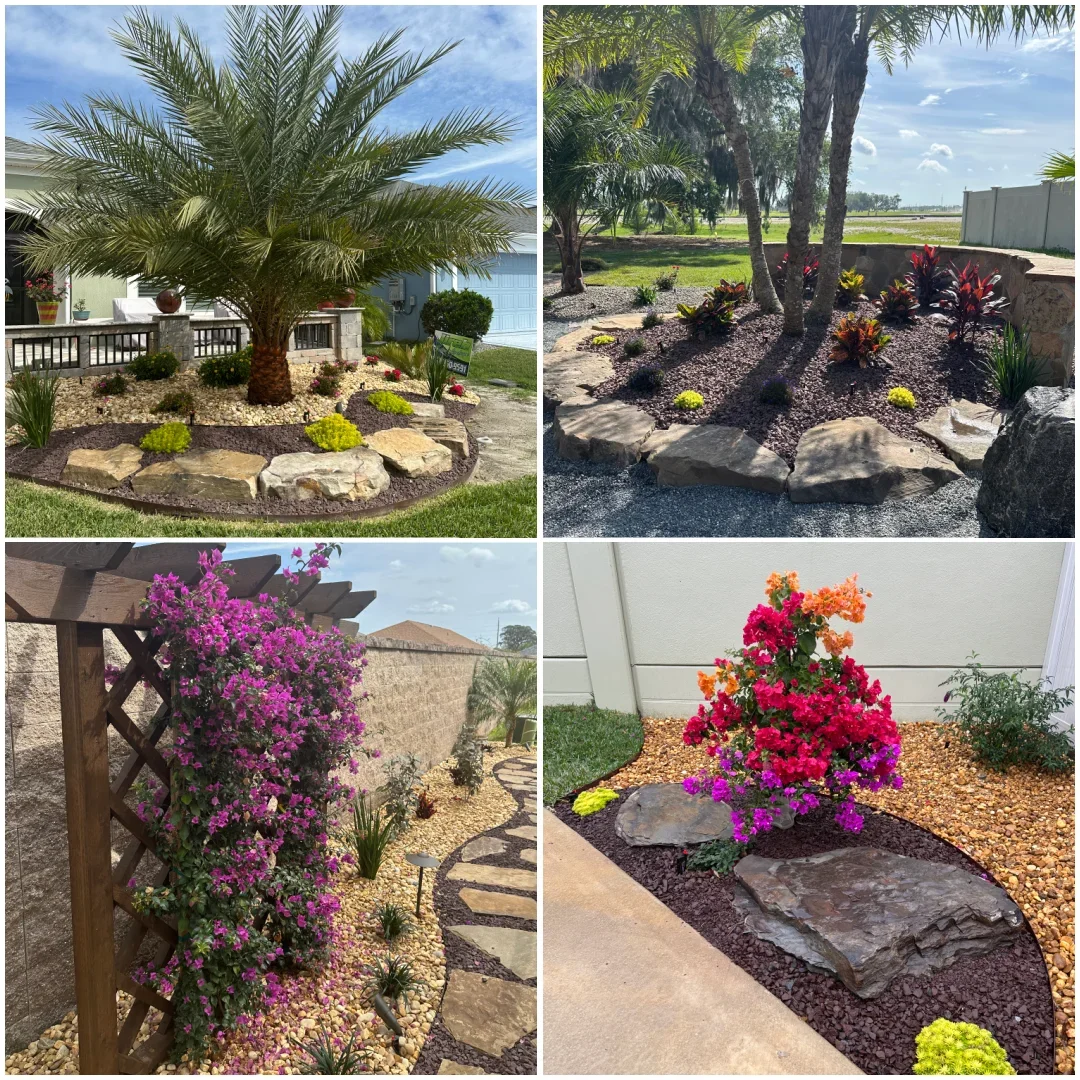
Headline from the archive
Custom Landscaping & Irrigation | ARC Approval
What's good. The location and the approval question help buyers recognize that it's for their neighborhood. What I'd copy. I'd call out a planning issue my estimate can help with. What I'd change. I'd say exactly what help the crew offers with the paperwork and who submits it.
Arizona turf ad with a financing angle
The ad started January 22, 2026 and the archive logged more than 60 days. The copy mentions financing, and the creative asks viewers to call for a quote. The button says Contact Us.
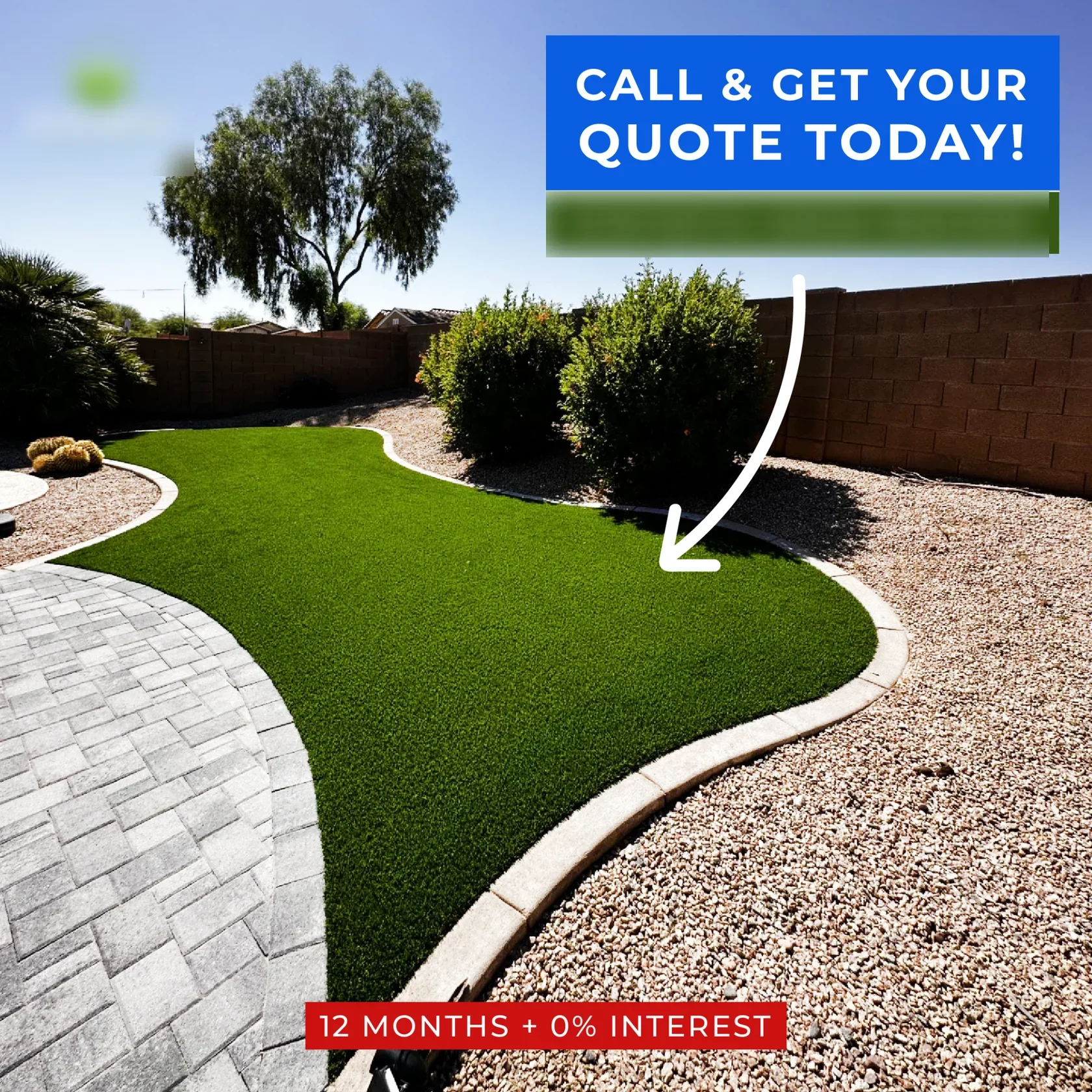
Ad excerpt from the archive
Explore financing options to get your project started.
What's good. The ad gives someone planning a larger project a reason to ask about payment before a visit. What I'd copy. I'd pair one clear action with a photo of the type of yard I want more of. What I'd change. I'd add the project size or locations we can cover and keep any financing language tied to the terms we can offer.
Compare the form and what happens next
Try a Meta Instant Form, which opens inside Facebook or Instagram, when the job is easy to describe and you want a quick request. Use a matching website page when you need to show what counts as an install, who you serve or how an estimate works. For the first comparison, leave the creative, audience and office coverage the same. Change the destination and see what happens downstream.
Ask for the job, ZIP code and timing. If the office spends most of its calls asking whether the person wants a new build or a repair, ask that once on the form. A long questionnaire can cost you good requests, especially if the office can get the extra detail in a call.
Test the reply path as a customer. Submit the form, read the confirmation and see whether a follow-up reaches the office. Read your own ad out loud. If it promises a start date the crew can't offer, change it before the test.
- Choose the Leads objective and one service area your crew can cover. Pick one destination, Instant Form or the matching website form.
- Set the spend cap and start and stop dates. For example, the $600 test below would run for 14 days with office coverage during the week.
- Ask for a callback number or email. Pick who gets the lead, send a test request and check that the right person can see which ad and service it came from.
- Launch once the office gets a test request and can reply. If you test the other destination, keep the ad, spend and reply coverage comparable.
Set up a patio campaign you can run this month
Suppose your crew wants full patio replacements in Cary and Apex. It has three site visits open this month, and someone is available to reply on weekdays. You've got permission to use photos from a project with the same porch step in both frames. The example below takes you from those photos to a booked estimate. Use your own job, towns and availability.
| At this level | Choose | Check on the preview or test lead |
|---|---|---|
| Campaign | Select Leads. Decide upfront whether the test uses an Instant Form or a matching website form. | The action matches what you're asking the homeowner to do. |
| Ad set | Use the service area your crew can actually drive. Set the lead destination, start and stop dates, campaign budget settings and staffed response plan. | A wrong-area ZIP lands in the “outside area” bucket rather than getting a site visit. |
| Ad | Use one patio service with two creative variations: a before-and-after carousel and a short work-in-progress video. | Preview on Facebook and Instagram where your ad will appear. Check crops, captions and legibility with sound off. |
| Form or page | Ask only what the office uses. For a website form, choose the website conversion location and set up the Lead event through your Meta Pixel or supported integration. Test that one accepted form fires one event and gives the office one record. | Submit a test in both paths. If the office sees a blank job type or no contact method, fix the path before funding it. |
| Office | Decide who replies, who can book and how to mark out-of-area, repair-only and duplicate inquiries. | A second team member can pick up a lead without looking through the original ad. |
For a single starter test, set aside $600 in media and run for up to 14 days. Start with a budget you can pay before the first job deposit arrives. Choose a limit for estimates your crew can actually handle and stop the test early if those spots fill. If you want a fair comparison between lead destinations, keep the offer, creative, service area, office coverage and follow-up window as similar as you can. Use a split audience if you can run both versions together through an A/B test. If you run them in different weeks, check whether timing or demand changed. A small test can show you where the process breaks. It may yield too few completed jobs to choose a lasting winner.
WordStream reported about $41 to $43 per lead across its last two U.S. Home & Home Improvement readings for Facebook campaigns with the leads objective. Use that as a broad benchmark for the $600 test. It's for raw leads across the category. Judge your test by the estimates that happen.
Two ads from one permissioned job
| Format | What the homeowner sees | Message to adapt |
|---|---|---|
| Three-card carousel | Old patio, base or drainage work, finished patio from the first angle | Is your patio settling near the steps? Tell us your ZIP and what needs replacing. We'll check whether a site visit makes sense. |
| Short vertical video | Start with the problem, show what the crew did, end on the finished patio and one clear action | Paver patio replacement in Cary and Apex. See how the yard changed. Tell us when you want the work done. |
Show the town only with the owner's permission, and keep out house numbers and personal details. Adapt the copy to what that photo actually shows. If you didn't replace the whole patio, say what you did. Hold the last frame long enough to read how to request a visit.
What the form needs to find out
Start with name, one working contact method, job ZIP, project type and general timing. A question such as “What are you looking to build?” can offer full replacement, new patio and small repair. If you only do installations, make that clear in the ad and on the form before asking a homeowner to submit.
If you're sending people to your site, place a matching project near the form and explain what happens when the office replies. For an Instant Form, add your privacy policy and a confirmation with a clear next step. Check lead access for the Page and send a test through to the assigned office or CRM. In both paths, keep the ad name and form type with the lead record. Use a review step if it's available and you need people to check their answers. Keep the form recommendation tied to the response you measure and avoid treating more form fills as an automatic win.
Price the estimates you got from each form
Now suppose a different crew can handle at least nine visits across two tests and budgets $600 in media for each, $1,200 total. The first brings three visits that take place, and the second brings six. Give each form the same number of days and use the same office reply hours. Count a visit only if the estimator met the homeowner about a job your crew could take. Give both groups the same time after the test to decide.
| What you measured | Test A, Instant Form | Test B, website form |
|---|---|---|
| Media | $600 | $600 |
| Estimates that took place | 3 | 6 |
| Media cost for each estimate | $200 | $100 |
Add the office time and any management fees before treating that as the total. If the second group got a different person calling or a different kind of job, that's worth noting. Give your quotes time to close, then see whether the cheaper visit was a visit you wanted.
Compare Instant Form and website tests
Change the example numbers to match your business. Dollar amounts are in USD.
Did the form or the callback make the difference?
Use the same patio creative, towns, office hours and project minimum for both forms. Give each form a label the office can see, such as “patio on Facebook” or “patio on our site.” Keep the first recorded source when the same person sends both. If the two groups are small, keep the individual records alongside the totals.
Here's a small example. The Facebook form gets 12 distinct inquiries and the site form gets eight. Six from each group fit the job and town. The office reached only two of those six Facebook inquiries during its reply window because they landed in an inbox nobody was watching. It reached five from the site form, which went straight to the estimator's list. Even if the site produces more visits that week, the two groups didn't get the same chance to book.
Fix where the Facebook requests go, send a test lead and then compare another set with the same hours and callback process. Once both get the same treatment, read the actual questions people answered. If one group has more requests for repairs you don't do, test the wording or qualifying question before changing the photo. If inquiries fit but visits don't happen, check how you're confirming the visit.
Fix the first reply
Your ad already showed the kind of project. The reply can move the person a step closer. Ask one practical question the office uses and offer a time to talk. Use the same reply schedule for both tests. Ask about the project type only if the form left it unclear.
First patio inquiry reply
Hi [name], this is [person] with [company]. I saw your patio request in [town]. You mentioned [project type]. I can call [option 1] or [option 2] to see whether we should book a site visit. Which works for you?
If the wrong ZIPs or repairs keep coming in, tighten one detail on the ad or the form. If buyers are a fit but miss the visit, keep the ad and try a clearer booking step. When a crew books out, pause the additional spend while you work the leads you already have.
Troubleshoot the leads before buying more
| What happens | What to check | What to try next |
|---|---|---|
| People click but seldom submit | The crop and offer match the form or page, and the form opens and works on a phone. | Fix a broken form. If it works, try a finished-project image and a clearer explanation of the visit. |
| Many people submit but can't be reached | The contact information, duplicates and how the office replies. | Audit test runs end to end. Try a confirmation that asks for the best time to call. Review contact rate before you judge creative. |
| Homeowners ask for repairs you don't take | The photograph, offer and project choices on the form. | Say “full patio replacements” in the first frame and on the form. Give small repairs a separate option if you want the work. |
| The office books the right jobs but homeowners miss visits | The next contact, time window, directions and how you confirm an appointment. | Confirm the visit and give a specific reason to attend. Hold spend until you know the calendar can absorb it. |
| People take visits but quotes stay open | When the office sent the proposal and what the customer still has to decide. | Look at the same cohort after your usual decision window and track signed work separately. |
Log each project once, even if someone submits a form and calls. Keep the source, ad name, area, contact outcome, fit, appointment and signed job together. Give the customer the next step through the follow-up method they chose. If the second call is about a different property, record why it counts as separate work.
FAQ
Should I send people to an Instant Form or my site?
Try the quicker form for a simple job and the site when people need more proof or scope details. Compare the estimates that happen.
What should the ad show?
Show a finished project and one detail that explains what the company changed. Name the job and town while the homeowner can still see the proof.
What number should I use to choose the better ad?
Start with cost per estimate that happened. Check job fit and signed work when that group has had time to decide.
Can I advertise lawn maintenance and patio installs together?
Yes. Run them in one ad account and give each service its own ad set, form or page, and lead records. Give patios a budget you can track separately. If the campaign shares one budget across ad sets, put patios in a separate campaign with its own budget so cheap mowing forms don't crowd them out. Ask mowing leads where they live and when they want service. Ask patio leads about the town, the project and whether it's a new install or replacement. Compare the estimates that happened for each offer.
If the ad needs a better before-and-after, use the landscaping project photo guide before reshooting. For work people already search for, compare the Google Ads setup guide for landscapers. Use the landscaping marketing budget guide to decide what a completed job can justify before raising the cap.
Next step
Our team can run the ads, work on the matching page and help with AI follow-up under one plan. You'll have a way to get the right inquiries to the office that books the work. 9xLocal packages start from $297/month. You pay the ad platform directly for media, with no markup. See what our landscaping marketing services include. See if we're a fit.