Facebook ads for remodelers work best when one clear job and offer catch a homeowner's eye. I'd start with a project conversation, show an addition, kitchen, bathroom, basement or whole-home remodel you've built, and ask a few short questions. Then follow up while the homeowner remembers the ad. Our remodeling marketing agency can run your selected ads, website and follow-up together, with packages from $297/month and separate ad spend.
What Facebook ads for remodelers cost
Use about $43 per lead as a starting comparison, then price your own test. WordStream's 2026 Facebook benchmarks put Home & Home Improvement leads campaigns at $42.95 per lead, from 452 US leads campaigns running April 2025 to June 2026. These are medians, used to reduce the effect of outliers. The category includes more than remodelers. It's a lead benchmark, not the cost of a booked consultation or signed addition.
I'd start with around $1,500/month in ad spend, one job type, one area and one offer, if you can fund it while selling current work. That's a planning recommendation, not a Meta minimum or a quoted remodeling average. At the benchmark, that budget buys roughly 35 leads. Your photos, area, offer and follow-up will change the result.
Keep the management fee and office time separate from ad spend. A general contractor can get plenty of small-job requests from a broad ad; the goal is conversations about the work your team wants to estimate.
3 offers to test first
I'd start with a consultation about one project, backed by similar work. Facebook and Instagram can introduce your company before the homeowner starts searching for a builder. Give them a clear reason to respond.
- A first project conversation: for someone who knows what they want to change and needs help taking the next step.
- A planning guide: for homeowners still working out the job, with a clear explanation of what the guide covers and what follow-up to expect.
- A paid design service: for contractors who sell planning, with the fee and deliverables spelled out.
For an addition, try:
“Need more room without moving? See this addition in [Area], then tell us what you'd like to build.”
For a basement, show the new rooms and offer a conversation about the space. Keep kitchens, bathrooms and whole-home jobs just as specific.
Keep a free introductory call separate from paid design. Only advertise prices, discounts or free work your company can deliver. If homeowners are already looking for a builder, compare Google Ads for remodelers before choosing where the first budget goes.
Set up your first campaign
- Choose the job and towns. Start with one service your team has room to estimate and build.
- Choose the Leads objective. That's the campaign goal for collecting inquiries. Use an instant form for a simple offer or a project page when the work needs more explanation.
- Make 3 to 5 ads. Use your own before-and-after photos and a short project video. Keep the offer the same while testing how you show it.
- Ask four basics. Project, town, timing and contact details. Add a rough-budget question with a “not sure yet” option if it helps the first call.
- Connect the reply. Test that the lead reaches the office and the selected follow-up or calendar. Make the next step clear on the form.
- Launch with a spending limit. Review weekly: jobs requested, conversations, consultations attended and cost. Improve the weak part before adding another offer.
If you use a landing page, match the photo, job and next step in the ad. The remodeling website design page shows the pages and real contractor examples I'd use to plan it.
Real remodeling ads worth learning from
These four contractor ads were active in the US Meta Ad Library when checked on October 30, 2026. Each had a start date more than 60 days earlier. That's a reason to study the offer, not proof the campaign makes money. The Library doesn't show us booked jobs or profit.
1. Show the addition before and after
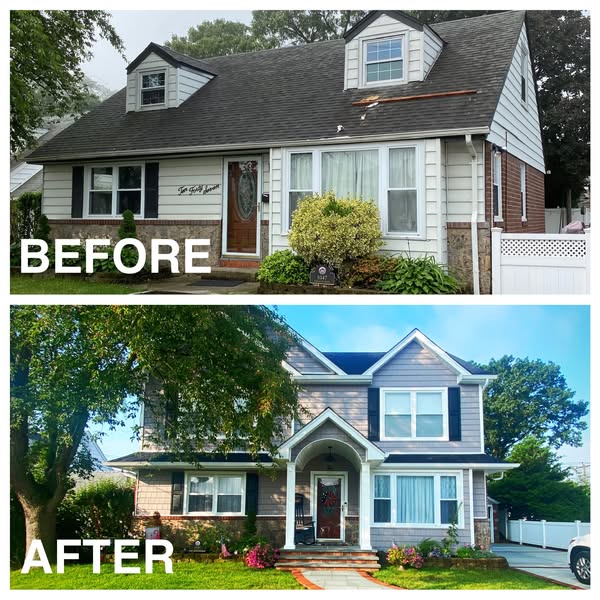
Ad excerpt
Main text, excerpt: “Transform Your Home with a Second Story Dormer”. Headline: “Full Dormers & Home Additions”. Offer: “FREE ESTIMATE”. Button: Get Quote.
Running since: March 25, 2025, 584 days before capture. Example ad, source Meta Ad Library, captured October 30, 2026. Image shows one card from the carousel.
- What's good: the before-and-after view makes the extra space easy to see. The ad names the kind of addition rather than saying it does everything.
- Copy this: pair views of the same house and name the job your crew did. Make the estimate request easy to find.
- I'd change: explain what the first estimate covers and when drawings are needed. A free estimate shouldn't sound like a fixed building price.
2. Answer the first price question
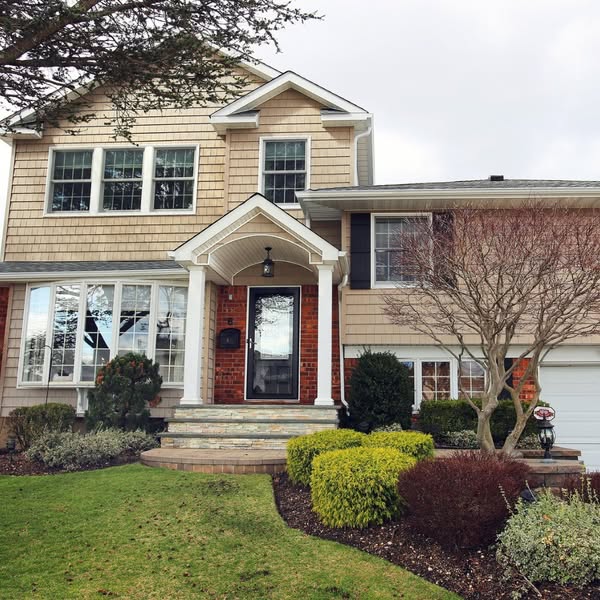
Ad excerpt
Main text, excerpt: “Curious about the cost of expanding your home?” Headline: “New AI Tool: Quick Home Expansion Quote”. Button: See Details. The ad also offers a free design-and-budget consultation and a concept plan.
Running since: June 2, 2026, 150 days before capture. Example ad, source Meta Ad Library, captured October 30, 2026.
- What's good: it starts with the question homeowners have before they're ready to speak to a builder: what might this cost?
- Copy this: show how someone can get an initial estimate, then explain the design conversation that follows. Only offer a tool you have working.
- I'd change: make the limits of the online number clearer. Say what needs checking before it becomes a construction price, and put a date on a limited-time offer.
3. Give the consultation a clear result
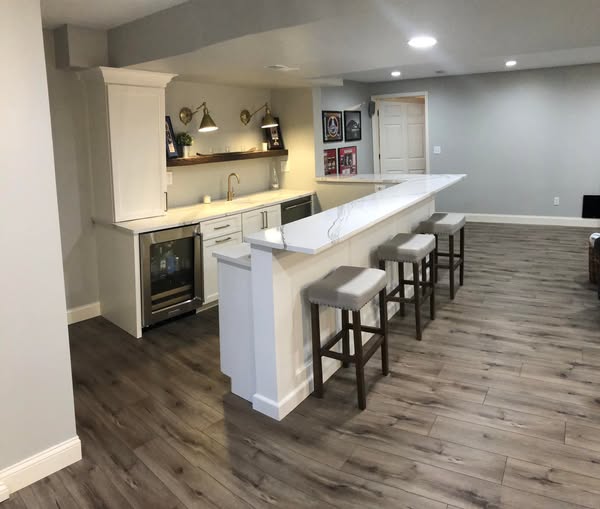
Ad excerpt
Main text, excerpt: “Currently we are offering a free design consultation.” Headline: “Basement Design & Plan”. Button: Sign up. The copy says the homeowner receives a floor plan and an estimate after meeting about the basement.
Running since: October 19, 2025, 376 days before capture. Example ad, source Meta Ad Library, captured October 30, 2026.
- What's good: the homeowner knows what they'll get from meeting. The finished basement helps them picture how the space could be used.
- Copy this: name what the appointment produces, whether that's a plan, written estimate or advice on the next design step.
- I'd change: lead with that deliverable and shorten the opening claims. Explain what the free plan includes so nobody expects engineered drawings.
4. Offer help before asking for a visit
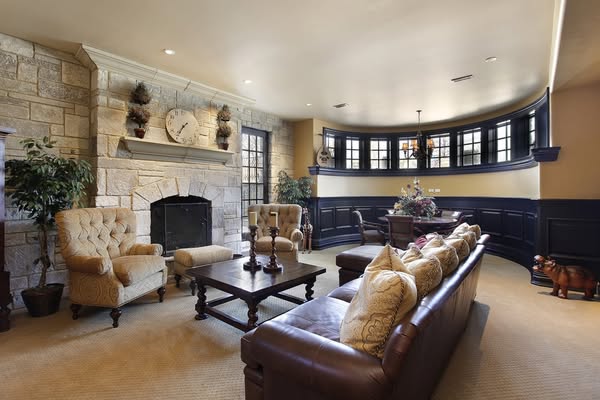
Ad excerpt
Main text, excerpt: “Thinking about finishing your basement but not sure where to start?” Headline: “Download the Basement Guide”. Button: Download.
Running since: August 5, 2026, 86 days before capture. Example ad, source Meta Ad Library, captured October 30, 2026.
- What's good: it speaks to someone who's interested but still figuring out the job. A guide is an easier first step than an appointment.
- Copy this: answer the questions you hear before estimates, then offer that information to homeowners planning the same work.
- I'd change: say what the guide covers and what follow-up to expect. A download is a planning lead; it isn't a booked consultation.
What the best ads have in common
- Name one remodeling job so the homeowner knows it's for them.
- Show work that matches the offer, with before-and-after views when they explain the change.
- Give a clear reason to respond: an estimate, plan, price tool or guide.
- Say what happens after the button and what the homeowner receives.
- Copy the structure using your own work and an offer you can deliver. Track bookings and signed jobs before spending more.
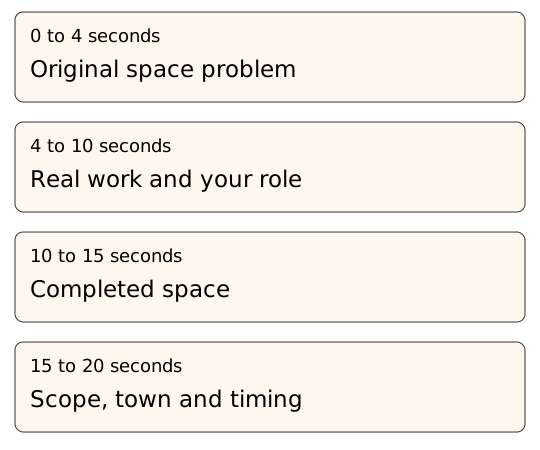
Make a 20-second addition ad
Film one job and tell a short story: the problem, the work, the finished space and the next step.
Seconds 0 to 4: show why the homeowner needed more space.
Seconds 4 to 10: show the addition taking shape. Add a caption explaining your company's part.
Seconds 10 to 15: show the finished room and how it connects to the house. Keep the job and area readable with the sound off.
Seconds 15 to 20: ask the homeowner to tell you the project, town and timing.
Original script:
“Need another bedroom without leaving your neighborhood? Here's how this addition connected to the house. Tell us your town, plans and timing, and we can discuss the next step.”
Use your own footage and explain what the first conversation covers.
Questions that filter tire kickers
Ask what they want to build, where the house is, when they'd like to start and how to contact them. Invite a rough budget rather than forcing a precise number before someone has spoken to a builder.
| Question | Why it helps |
|---|---|
| Which rooms or space do you want to change? | Separates an addition, basement or full remodel from a repair. |
| Which town is the property in? | Lets the office check coverage before arranging a visit. |
| When are you hoping to start? | Helps plan the next conversation and appointment. |
| Have you got plans or a rough budget? | Shows what needs deciding before you can estimate. |
A homeowner planning for next year may still become a good job. Follow up on the next decision: drawings, layout, funding or dates. Your team answers the building questions. With the selected service, 9xLocal's AI assistant can follow up and book into your calendar or send the inquiry to your office.
Use contractor email follow-up for short messages matched to the homeowner's next decision.
Use the same questions when comparing an instant form with a project page. Judge them by the work requested and consultations attended, then check the later sales. That keeps a cheaper form from winning the comparison just because it collects more names.
What each signed job costs
Here's a teaching example, separate from the benchmark above: 100 forms become 50 reached contacts, 20 leads for work you take, 10 attended consultations and two finished, paid jobs. Ads cost $3,000. Fees and handling add $1,000. That's $30 in ads per form and $2,000 total per finished job.
Divide $3,000 by 100 for ad cost per form. Divide the full $4,000 by two for finished-job cost. Keep those homeowners together as they move through the sale and build, so the costs and jobs belong to the same group.
The shared job example uses $60,000 revenue and 30% gross margin, leaving $18,000 before marketing, overhead and tax. Set aside 15% for winning the work and you have a $2,700 limit. The example's $2,000 cost fits it. These are assumptions, not trade averages; NAHB's research supports the distinction between gross and net profit.
If no jobs have finished yet, keep the spending, bookings and signed work visible while completion is pending. You can't divide by zero finished jobs. Use the result to decide whether to change the offer, response or spending level.
Common mistakes
- Advertising everything. Pick the job, show it and name the area. A broad message makes the office sort every repair from every addition.
- Leaving a lead waiting. Give one person the inbox, with cover when they're away. Aim to reply while the homeowner remembers the offer. Get the required agreement for calls and texts, and make it easy to stop follow-up.
- Changing every part at once. Keep a note of the ad, offer and form you ran. Change one part so you can see what helped.
- Pushing spend beyond the diary. Check room for design, estimates and building. Keep current-job cash outside the test limit.
Paid ads aren't the only way to build demand. Keep SEO for remodelers and project pages working alongside them so homeowners can find you again when they're ready.
Frequently asked questions
What do Facebook ads for remodelers cost per lead?
WordStream's 2026 Home & Home Improvement leads benchmark is $42.95. Use about $43 as a comparison, then check your own lead quality, booking cost and signed jobs. It's broader than remodeling.
Which offer should I try first?
A conversation about one remodeling job, backed by similar work. Use a guide when the homeowner needs help planning first.
Should I use a form or landing page?
Start with a short form for a simple offer. Use a project page when the design or work needs explaining. Compare the jobs requested and consultations people attend.
Can targeting guarantee ready buyers?
No. Clear photos, a specific offer and short questions help you find the next conversation. Your office still needs to discuss the work, plans and budget.
Your next step
Choose one job, one area and an offer your office can explain. Gather photos or video of similar work, set a test budget and name the person who'll answer.
Want it run for you? 9xLocal is your agency replacement for more booked jobs, connecting selected ads, website work and follow-up. Packages start from $297/month; ad spend is separate and paid directly without markup. See if we're a fit.
Last updated: October 30, 2026.
Sources
- WordStream: 2026 Facebook Ads Benchmarks. Verified October 30, 2026.